November 18, 2026
A roof protects a home from moisture, wind, temperature changes, and other outdoor elements. In Michigan, heavy snowfall, freezing temperatures, spring rain, and summer heat can contribute to roofing wear over time. While minor leaks, isolated shingle damage, and localized flashing issues may only require repairs, widespread deterioration and recurring leaks can indicate the need for replacement. Experienced roofers can assess the roof's condition, identify vulnerable areas, and recommend the most appropriate solution to maintain long-term protection and prevent additional property damage.
Identifying Signs of Roof Deterioration
Visible changes to roofing materials can provide important clues about the overall condition of a home. Missing, cracked, curled, or buckling shingles may indicate that certain sections have experienced significant weather exposure. Although isolated damage does not automatically mean a complete replacement is necessary, widespread shingle deterioration deserves closer attention.
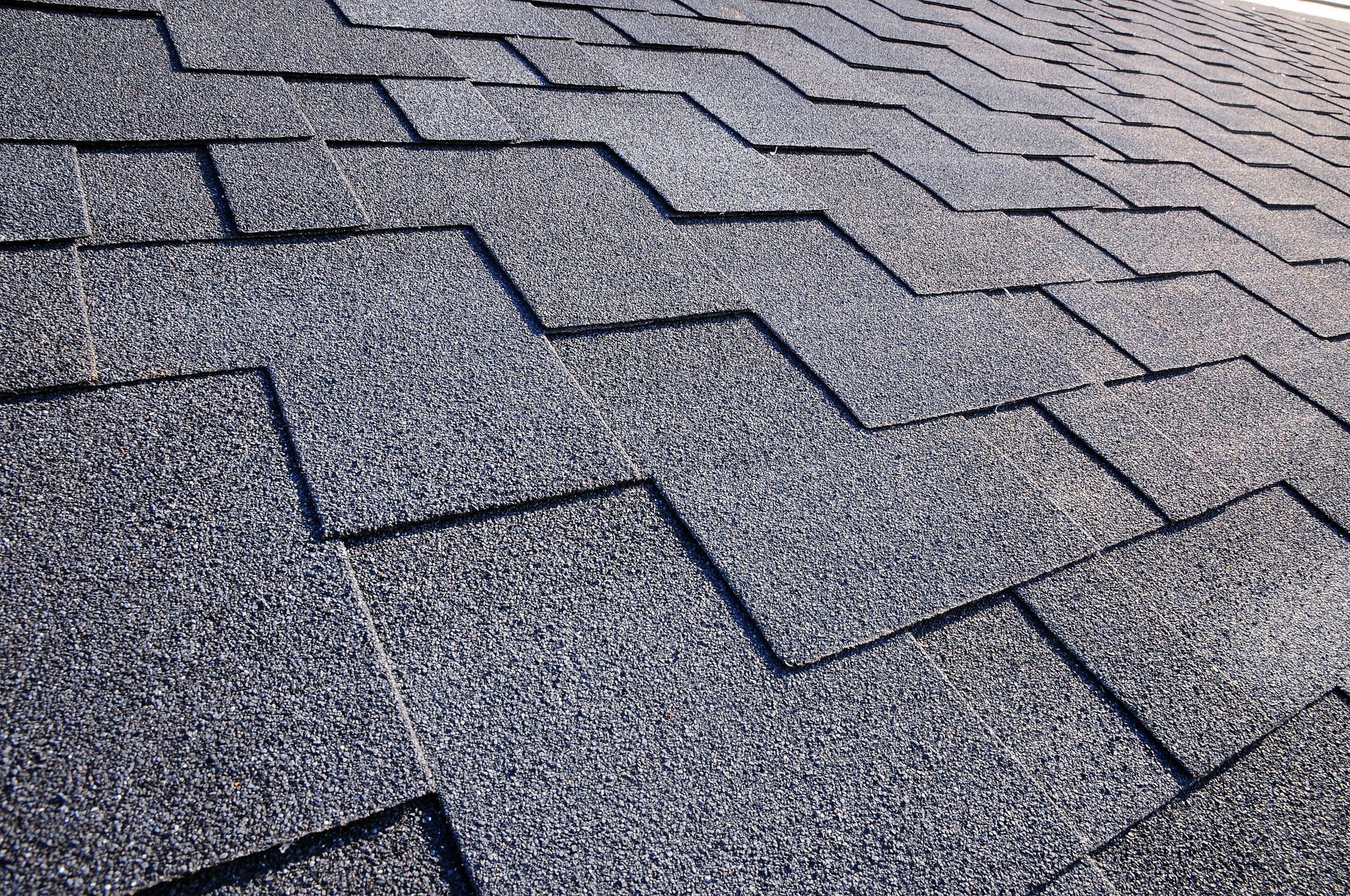
Granule loss is another sign worth monitoring. Asphalt shingles contain protective granules that help shield the underlying material from sunlight and weather exposure. When these granules begin accumulating in gutters or appearing in downspouts, the shingles may be approaching the end of their useful life.
Homeowners may also notice uneven rooflines, sagging sections, or areas where roofing materials appear to be separating. These conditions can indicate underlying concerns that extend beyond the visible surface. Because structural problems require careful evaluation, professional inspections are important when unusual changes become apparent.
According to Ruby Home, the average roof measures approximately 1,700 square feet. Although individual homes vary considerably in size and design, this figure illustrates how much surface area a roofing system must protect. Even relatively small areas of deterioration can become concerning when water enters beneath the roofing materials and reaches the underlying structure.
Evaluating the Frequency of Roofing Repairs
Occasional repairs are a normal part of maintaining a residential roofing system. Strong winds can displace shingles, fallen branches can cause localized damage, and deteriorating flashing can create opportunities for moisture intrusion. When these problems affect limited areas, targeted repairs may restore the roof's ability to provide reliable protection.
However, repeatedly addressing similar problems can indicate that the existing roofing system is experiencing more widespread deterioration. For example, homeowners who frequently schedule leak repairs in different areas may be dealing with aging materials rather than isolated damage. Continuing to address individual problems without evaluating the entire system can make it harder to understand the underlying cause.
The location and extent of previous repairs also matter. Multiple patches, inconsistent roofing materials, and recurring moisture problems may suggest that the roof is nearing the point when replacement deserves consideration.
Experienced roofers can evaluate previous repair work alongside the current condition of the roofing materials. This broader perspective helps homeowners understand whether another repair is likely to address the problem or whether a replacement would provide a more dependable long-term solution.
Understanding How Roof Age Affects Performance
Roofing materials have different expected service lives depending on their composition, installation quality, maintenance history, and exposure to environmental conditions. Asphalt shingles, metal roofing, and other common residential materials do not all age at the same rate. Understanding the original roofing material and its installation history can therefore help homeowners evaluate replacement timelines.
In Michigan, changing weather conditions can place additional demands on residential roofing systems. Snow accumulation increases the weight placed on roofing structures, while repeated freezing and thawing can contribute to material movement and moisture-related concerns. Wind and heavy rain can also expose weaknesses around roof edges, valleys, flashing, and other vulnerable areas.
An older roof is not automatically a failing roof. Some systems remain in serviceable condition beyond their expected replacement window, while others develop problems earlier because of installation issues, severe weather exposure, or inadequate maintenance.
Professional roofers can assess the condition of aging materials and determine whether they continue to provide adequate protection. Rather than relying exclusively on the installation date, homeowners benefit from considering the roof's actual performance, visible deterioration, and history of maintenance.
Recognizing Interior Warning Signs
Not every roofing problem is immediately visible from outside the home. Sometimes, the earliest indications of trouble appear inside the property. Water stains on ceilings, discoloration near exterior walls, peeling paint, and damp attic insulation may suggest that moisture is entering through the roofing system.
Musty odors or persistent dampness in attic spaces can also warrant further investigation. Moisture that remains trapped in building materials may contribute to additional deterioration if the source is not addressed. Although condensation and plumbing issues can produce similar symptoms, roofing professionals can help determine whether the roof is contributing to the problem.
Homeowners should also pay attention to changes that occur after heavy rainfall or winter weather. A ceiling stain that becomes darker following a storm, for example, may indicate an active leak or an area where water is collecting.
Addressing these warning signs promptly can help limit additional damage to insulation, drywall, framing, and other interior components. A professional inspection can identify potential entry points and establish whether localized repairs or broader roofing work are necessary.
Comparing the Benefits of Repairing and Replacing
Roof repairs can be an appropriate choice when damage is limited, the surrounding materials remain in good condition, and the underlying structure is sound. Replacing a small number of missing shingles or correcting a localized flashing issue may restore protection without requiring a complete roofing project.
Replacement becomes more compelling when deterioration affects large portions of the roof or when several components are approaching the end of their useful lives. A new roofing system can address widespread material problems and provide homeowners with an opportunity to evaluate ventilation, flashing, and other important components as part of the project.
The decision should also account for the roof's maintenance history. If repairs have become increasingly frequent, homeowners may benefit from considering the overall condition of the system rather than focusing on the immediate problem alone.
Reliable roofers can explain the differences between available solutions and help property owners understand the potential advantages of each approach. A detailed evaluation should consider the extent of damage, existing materials, installation history, and the home's specific protection needs.
Considering Michigan's Seasonal Roofing Challenges
Michigan homeowners experience a variety of weather conditions throughout the year, making roof performance an important consideration in residential maintenance. Winter snowfall, ice accumulation, spring storms, and summer temperature fluctuations can all affect roofing materials.
During winter, heavy snow can place additional weight on roofing structures. Ice dams may also develop when temperature differences across the roof contribute to melting and refreezing. These conditions can interfere with proper drainage and increase the possibility of water entering beneath roofing materials.
Spring and summer bring different concerns. Heavy rainfall, strong winds, and thunderstorms can expose existing weaknesses or cause sudden damage. Warmer weather also provides an opportunity to evaluate roofing conditions and plan necessary improvements before colder temperatures return.
Seasonal inspections help homeowners identify roofing concerns before they worsen. Experienced roofers can evaluate material conditions, previous repairs, and moisture damage to recommend appropriate solutions. Addressing problems early supports long-term protection and helps homeowners make informed repair or replacement decisions.
Homeowners throughout Michigan can turn to Tri-Star Roofing & Sheet Metal, LLC for professional roofing guidance and services tailored to their property's needs. When warning signs appear, having the roof evaluated can help clarify the next steps and prevent manageable concerns from becoming larger problems. Contact Tri-Star Roofing & Sheet Metal, LLC today to discuss your roofing needs and schedule a professional assessment.